With receipts to prove it

No Bullsh*t Hypnosis FAQs

All the questions we've been asked about hypnosis (and probably more), answered with science, not scripts.

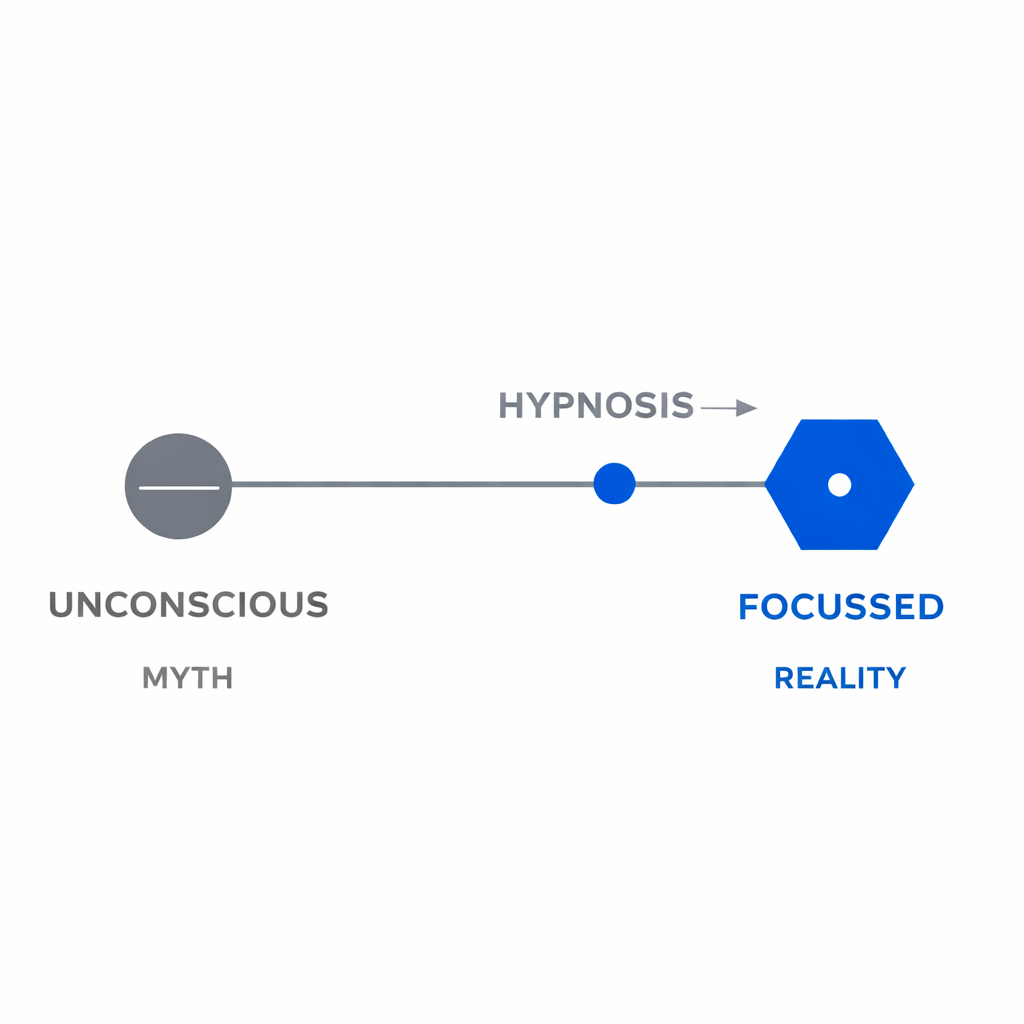
Visual comparison for: What even is hypnosis, really?

What even is hypnosis, really?

Hypnosis is a state of focused attention where your brain becomes more open to suggestions. Not creepy mind control. Just the science of shifting brain states. Your brain naturally goes into a hypnotic state several times a day (think: highway driving or daydreaming). We just use it on purpose to help you feel better.

Science says: Hypnosis involves increased theta brainwave activity and changes in how the brain processes internal focus (Jensen et al., 2015, Stanford).
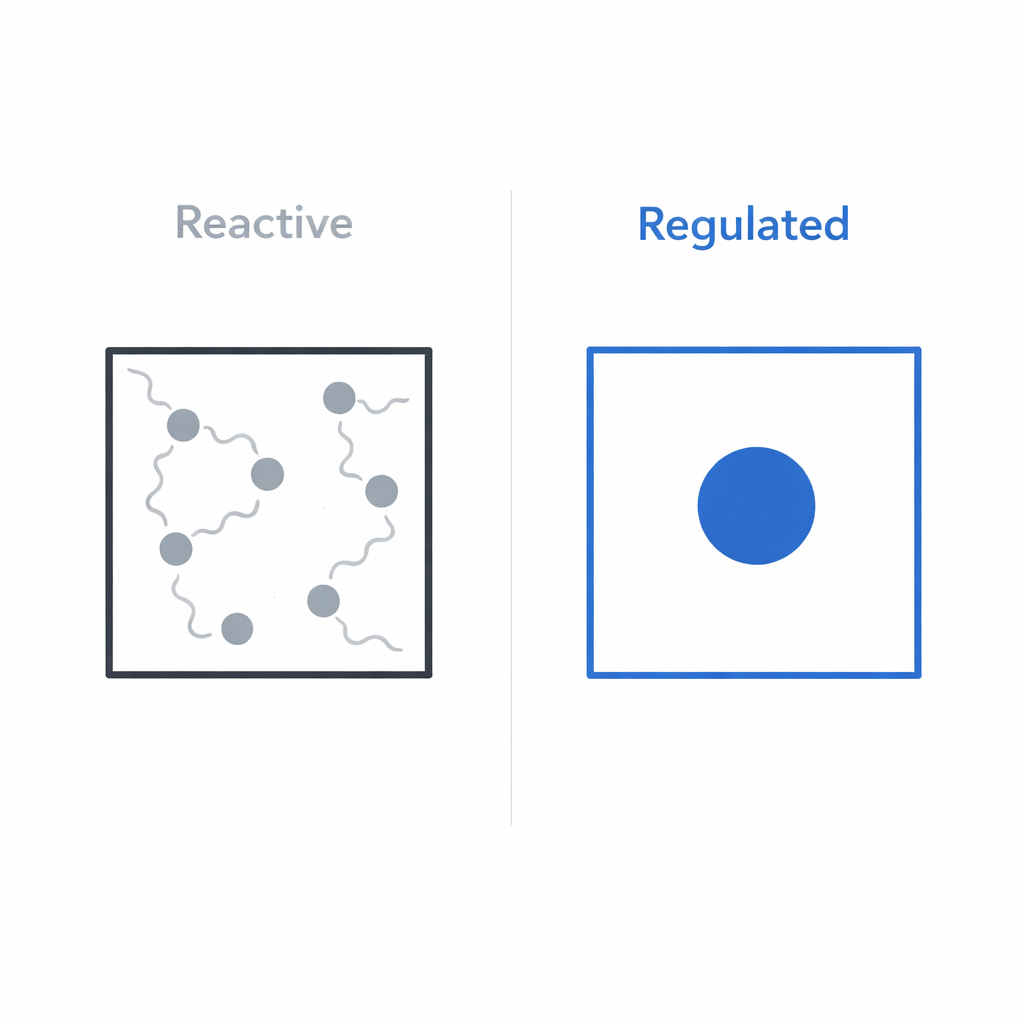
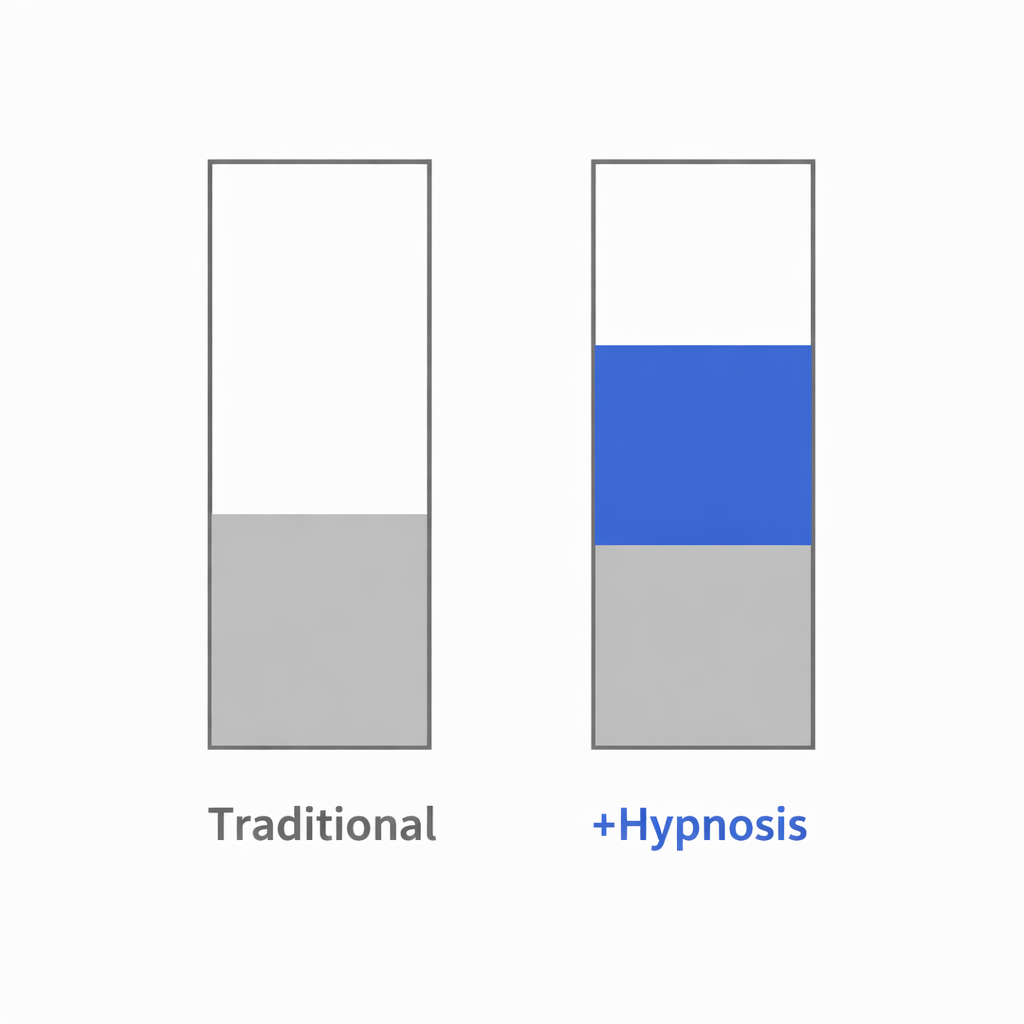
Visual comparison for: Can hypnosis actually help with IBS, anxiety, or sleep issues?

Can hypnosis actually help with IBS, anxiety, or sleep issues?

Yes. Hypnosis works by calming the fight-or-flight response and retraining how your body processes discomfort, panic, or restlessness. It's shown to help 70-80% of people with IBS (Whorwell et al.), improve anxiety scores, and shorten time to sleep.

Visual comparison for: Is this like what I saw on TV? Am I going to cluck like a chicken?

Is this like what I saw on TV? Am I going to cluck like a chicken?

Nope. That's stage hypnosis. Fun at parties, not useful in therapy. We don't make you cluck, bark, or forget your name. Clinical hypnosis is used in hospitals, GI clinics, and psychology departments for real conditions.

Science says: Clinical hypnosis has been shown effective for IBS, anxiety, and pain (Whorwell et al., 1984; Palsson et al., 2015).

Visual comparison for: Will I lose control or be unconscious during it?

Will I lose control or be unconscious during it?

You'll be relaxed, not unconscious. You're in control the whole time. You can open your eyes, speak, even walk out if you wanted to (but people usually don't). Think of it like guided focus where your brain is more receptive, not turned off.

Visual comparison for: How is hypnosis different from talk therapy or meditation?

How is hypnosis different from talk therapy or meditation?

We're not therapists or psychologists, so we can't speak to those modalities clinically. What our clients often tell us is that hypnosis feels more direct. They describe it as working at a subconscious level, helping shift patterns faster than they expected. Many say it complements their existing therapy or meditation practice rather than replacing it.

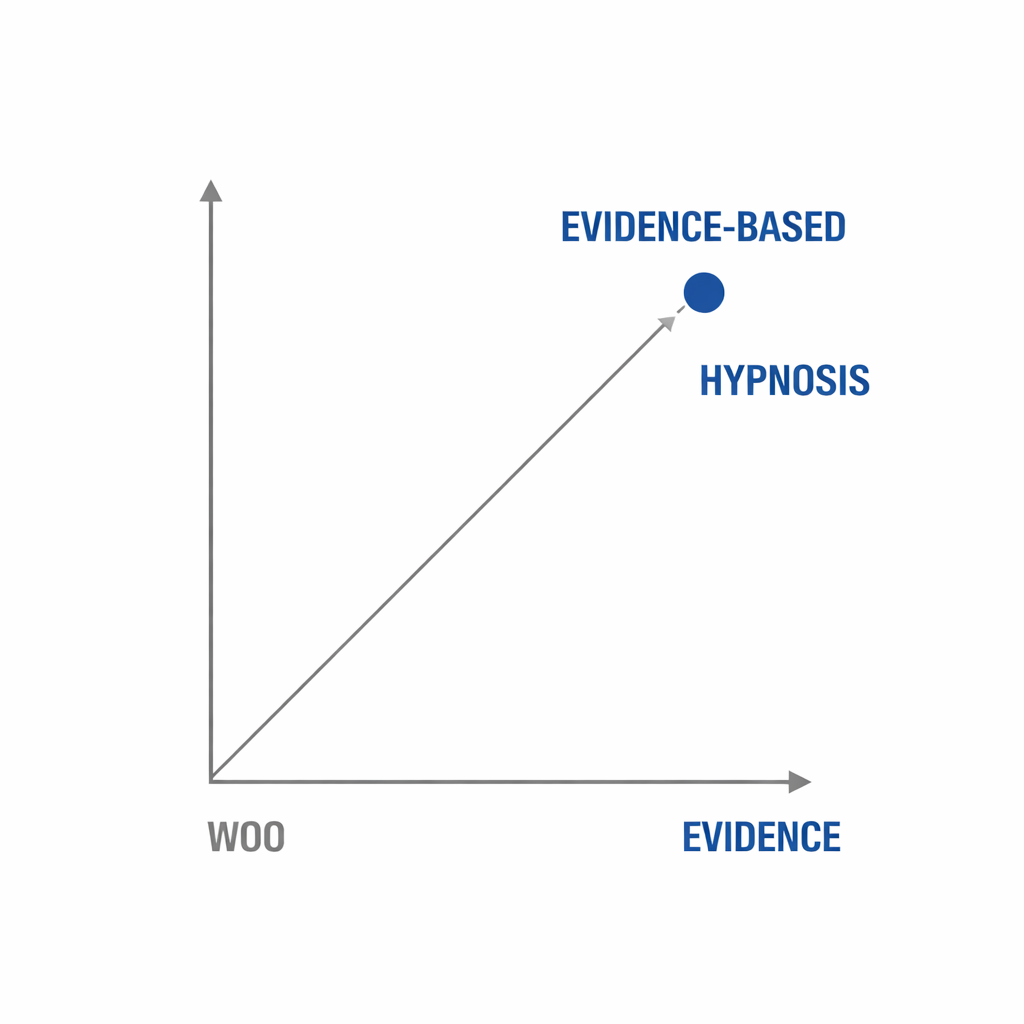
Visual comparison for: Is this backed by science or just woo-woo?

Is this backed by science or just woo-woo?

Backed. By. Science. Hypnosis is used at Stanford, Harvard, Mayo Clinic, and Monash University. It has decades of peer-reviewed research for conditions like IBS, anxiety, chronic pain, and sleep disorders. This is the opposite of woo.

Science says: Stanford Center for Integrative Medicine; Palsson & Whitehead, 2002; Elkins et al., 2007 (Sleep).

Visual comparison for: What does it feel like when I'm in hypnosis?

What does it feel like when I'm in hypnosis?

It feels a bit like zoning out on the couch, or when you're so into a book you don't hear someone calling you. You're calm, safe, and tuned in, but with the annoying background noise turned down. Some people feel floaty, some feel heavy, some just feel really relaxed.

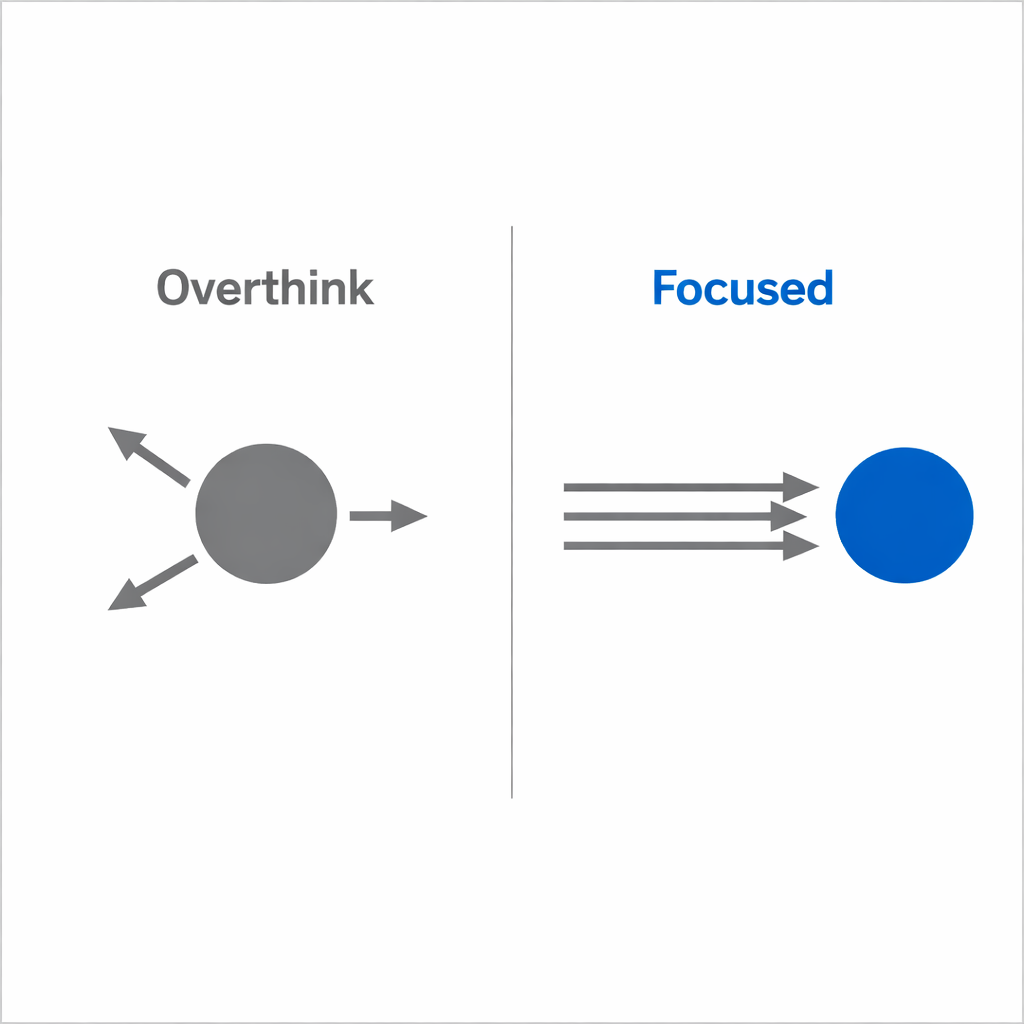
Visual comparison for: What if I can't be hypnotized? I overthink everything.

What if I can't be hypnotized? I overthink everything.

Great news: Overthinkers are actually great at hypnosis. Why? Because you're already good at mental rehearsal. We just help you steer it. Studies show about 90% of people can enter a hypnotic state when guided by a trained clinician (Hilgard, 1965).

More Questions

Still have questions?

We get it. Hypnosis sounds weird until you try it. Apply for a consultation and we'll answer everything.

Apply to Work With Us

Clinical hypnosis isn't alternative medicine. It's evidence-based intervention.

References: Jensen et al. (2015), Whorwell et al. (1984, 2006), Palsson et al. (2015), Elkins et al. (2007), Hilgard (1965)